There is a conversation I keep having, and for a long time I handled it wrong.
A business wants to talk about ECGPT. Their documents, what they want the AI to answer, who is going to use it. Then somewhere in the middle of it, almost always as an aside, something else surfaces. They also need to sort out their servers. Nothing exotic. File storage, backups, user accounts. The plumbing every office runs on.
My answer used to be that we could look at that separately.
That was the wrong answer, and it took me embarrassingly long to work out why. I was telling people to run two projects when they only had one problem.
The two lists are the same list
Here is what a business in that position needs from a server:
- One place where company files live, instead of six laptops and a shared drive somebody set up in 2019
- Backups that actually run, and that somebody actually checks
- User accounts, so when a person leaves you turn off one login instead of eleven
- Permissions, so payroll is not sitting in a folder the entire office can open
Here is what the same business needs from AI:
- Answers about the contracts, policies, and proposals living in those files
- Drafting and summarizing over their own material, not the internet's
- None of it leaving the building
Read those two lists again. The second one is not possible without the first one.
The AI was always going to need a file server
This is the part that nobody says out loud in an AI sales conversation.
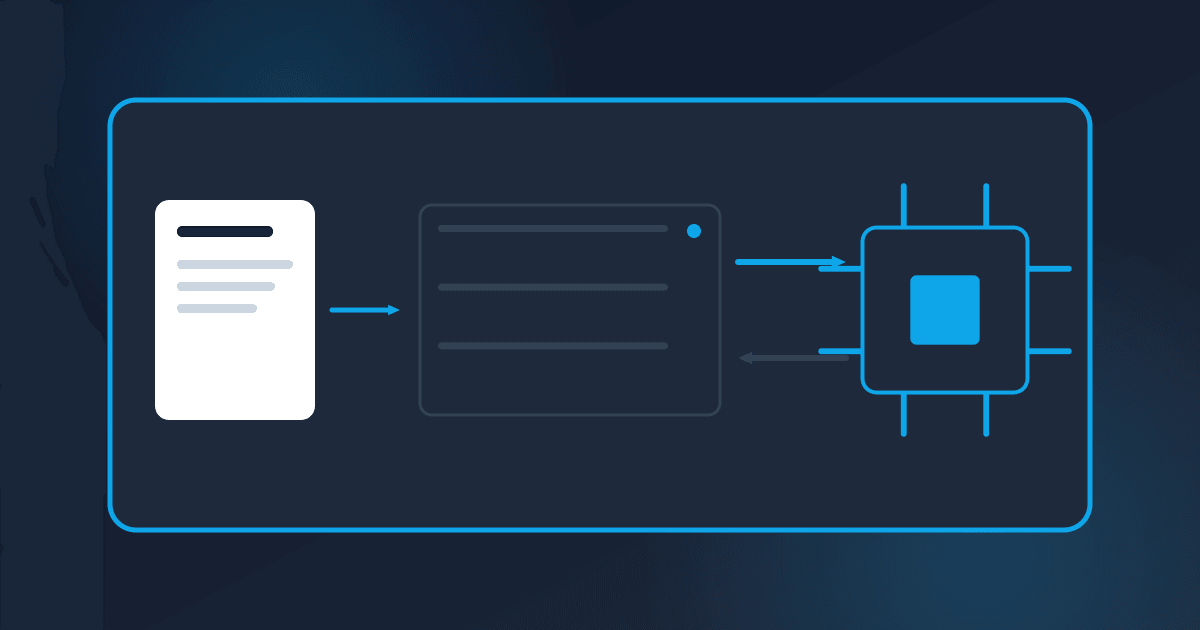
A private AI that works with your documents needs to know where your documents are. If your files are scattered across desktops, personal cloud accounts, and an external drive under someone's desk, the AI has nothing solid to stand on. You end up either pointing it at a partial picture, or spending the first month of an AI project doing what is, in plain terms, file server work.
The same goes for permissions. The moment an AI can search your company's documents, "who is allowed to see what" stops being a filing question and becomes a real one. If your accounts and folder permissions are already a mess, the AI does not create that problem. It just makes it obvious, quickly, in front of everybody.
And backups. A box in your office holding your company's documents and the AI that reads them is now a box you cannot afford to lose. That was true before the AI showed up. The AI just raises the stakes on a thing you were already supposed to be doing.
So when I say "let's talk about AI, and we can handle the server separately," what I am really proposing is that you buy two machines, run two projects, and do the hard part twice.
One box, one job
So that is one offering now.
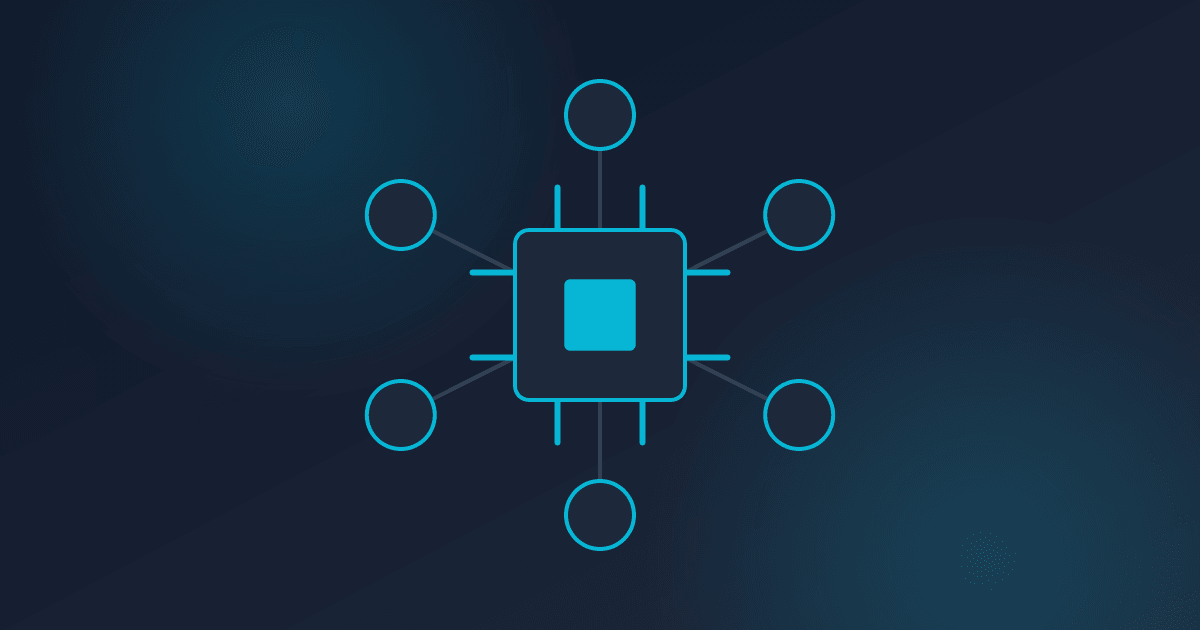
Full small business server capability — file storage, backups, user accounts, permissions — with your own private AI running on top of it, able to work with those same files, those same documents, that same data. One system, in your office, that does the whole job.
No stack of cloud subscriptions billed per person per month. No third party holding your information under terms nobody in the building has read. No question about where a document went, because it did not go anywhere.
The economics are simpler too. You are buying one piece of hardware instead of two, and the AI half rides on storage and accounts you were going to pay for regardless. The server was never the expensive part. The expensive part is having four vendors, four bills, and four different answers when something breaks.
What this does not fix
Being straight about the ceiling matters more than the pitch, so here is the honest list.
This does not eliminate the work of deciding things. You still have to decide which files go in, who can see them, and who owns the system when it needs attention. Hardware does not make those calls for you, and neither do we.
It is still AI, which means it can be confidently wrong. Anything that matters gets read by a person before it leaves your office. That is true of every AI tool on the market, hosted or not.
And a local model is not a frontier model. It handles summarizing, drafting, extraction, and answering questions about your own documents very well. If your business depends on hard, novel reasoning, you have a different problem, and I will tell you that in the first meeting rather than the fourth. We have written about where that line falls.
Who this actually fits
You are probably a good candidate if two or more of these are true:
- Your files live in too many places and nobody is confident the backups work
- You have been putting off a server purchase, or the one you have is well past its retirement
- Your staff are already using AI tools on company documents, with or without permission
- A customer, an insurer, or an auditor has asked how you handle AI and data
- The answers people need are buried in documents nobody can search
If you are a five-person shop that genuinely runs fine out of a couple of cloud accounts, you may not need this yet. That is a fine answer, and I would rather say it than sell you a box.
Customers do not sort their problems the way vendors do
What I have learned, mostly by being slow about it, is that customers do not experience their problems the way vendors categorize them. Nobody wakes up with an infrastructure problem and an AI problem. They wake up thinking our files are a mess and I keep hearing we should be doing something with AI.
Those are the same sentence. It took hearing it enough times, always as an aside in a meeting about something else, before I stopped treating it as two.
If your business has been juggling a server need and an AI curiosity at the same time, come tell me what you are trying to fix. Turns out it is one conversation. You can also read more about the private AI side on the ECGPT page.
Written by
Chris EdwardsPrincipal Consultant, Edwards Consulting Group
Chris Edwards is the principal consultant at Edwards Consulting Group, where he helps organizations reduce AWS spend, harden their cloud security posture, and put AI to work in production. He writes about cloud architecture, FinOps, cybersecurity, and practical AI integration drawn directly from client engagements.
More about Chris Edwards→